Source Silent Belt Stationary Bicycle for Home Gym and Training
Explore 30 silent belt stationary bicycle options from verified suppliers. Compare specifications like flywheel weight, resistance mechanisms, and assembly sizes to find the right model for home, gym, or community use.
Key considerations
Products List
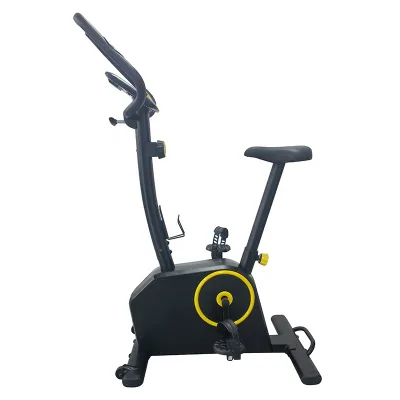


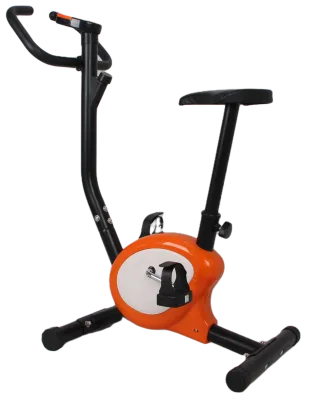


Comprehensive Sourcing Guide
Strategic Sourcing Guide for Silent Belt Stationary Bicycles
The global demand for home fitness equipment has accelerated, with the silent belt stationary bicycle emerging as a preferred choice for residential and light commercial environments. Unlike chain-driven systems that require frequent lubrication and generate significant noise, belt-driven mechanisms offer a smoother, quieter, and lower-maintenance operation. For procurement professionals, sourcing these units requires a nuanced understanding of technical specifications, supply chain variables, and compliance standards. This guide synthesizes available market data to provide a structured approach to acquiring high-quality silent belt stationary bicycles without relying on unverified supplier claims.
Technical Architecture and Drive System Dynamics
The core differentiator of a silent belt stationary bicycle lies in its transmission system. Market observations indicate that the preferred mechanism for this category is the belt drive, specifically utilizing leather belts or high-grade synthetic alternatives. This system replaces the traditional metal chain, eliminating the metal-on-metal friction that characterizes older exercise bikes. The belt drive operates with significantly reduced noise levels, making it ideal for apartment living or shared spaces where sound insulation is a priority.
When evaluating the technical specifications of a potential unit, buyers must scrutinize the flywheel mass and the resistance mechanism. Data from current listings reveals a variance in flywheel weights, with some models featuring flywheels under 10 kg, while others may utilize heavier inertia systems to simulate road feel. The resistance mechanism is another critical variable. The supply chain currently offers two primary types: friction-based resistance and magnetic resistance. Friction systems typically rely on a pad pressing against the flywheel, which may require periodic adjustment. In contrast, magnetic resistance systems, often powered by magnets, offer a silent, contact-free adjustment of resistance levels.
The structural integrity of the bicycle is paramount. The primary material observed in the market is steel, often combined with plastic components for the console and frame aesthetics. The frame must support a maximum user weight, with observed specifications indicating a capacity of up to 100 kg for standard models. Buyers should verify the specific load-bearing capacity of the frame, as this varies by manufacturer. The overall dimensions of the assembled unit are also critical for space planning. Typical assembly sizes for these units range around 86 cm in width, 50 cm in depth, and 137 cm in height. The console, which houses the display and controls, generally measures approximately 16.8 cm by 22.8 cm with a depth of 3.5 cm. The display screen itself is often compact, with observed sizes around 8.2 cm by 4.3 cm.
Compliance, Certification, and Regulatory Standards
Navigating the regulatory landscape is essential for B2B procurement, particularly when importing fitness equipment from major manufacturing hubs. The supply chain data indicates that manufacturers in regions like Zhejiang, China, often adhere to specific international standards to facilitate global trade. The most frequently cited certifications for these units include CE (Conformité Européenne) and RoHS (Restriction of Hazardous Substances). The CE mark signifies that the product meets EU safety, health, and environmental protection requirements, while RoHS ensures that the product does not contain specific hazardous materials like lead or mercury.
Some listings reference additional certifications such as ISO standards, though the specific ISO designation (e.g., ISO 9001 for quality management) should be verified directly with the supplier rather than assumed from general marketing materials. The presence of these certifications is a strong indicator of a manufacturer's commitment to quality control and regulatory compliance. However, buyers must treat these as observations rather than universal guarantees. It is the procurement team's responsibility to request valid, up-to-date certification documents for each batch of goods purchased.
In addition to product certifications, the packaging standards must be considered. The standard packing method observed is the carton box, with specific dimensions noted for single packages, such as 78 cm by 25 cm by 53 cm. This packaging size directly impacts logistics planning, including container loading efficiency and shipping costs. The gross weight of a single package is typically around 24 kg, which is a crucial figure for calculating freight charges and handling requirements.
Cost Drivers and Pricing Variables
The pricing structure for silent belt stationary bicycles is influenced by a complex interplay of factors, including material costs, manufacturing complexity, and order volume. The observed price range in the market is broad, spanning from approximately 23 USD to 2590 USD. This wide disparity reflects the diversity in product tiers, from basic friction-resistance models to advanced units with magnetic resistance, digital consoles, and premium branding.
The Minimum Order Quantity (MOQ) is a significant cost driver. Suppliers may set MOQs ranging from a single unit for sample orders to 560 units for bulk industrial procurement. Specific models in the market have been observed with an MOQ of 50 pieces, which is a common threshold for custom branding or private label arrangements. Buyers should be aware that unit prices typically decrease as the order volume increases, but the total capital outlay must be balanced against storage and cash flow constraints.
Material composition is another primary determinant of cost. Units constructed primarily from steel with high-grade plastic components tend to be more durable and cost-effective than those incorporating aluminum or carbon fiber. The type of belt used also affects the price; leather belts or specialized silent belts may command a premium over standard synthetic options. Furthermore, the complexity of the resistance mechanism plays a role. Magnetic resistance systems are generally more expensive to manufacture than friction-based systems due to the precision engineering required for the magnet alignment and adjustment mechanisms.
Application Scenarios and User Demographics
Understanding the intended application of the bicycle is vital for matching the right product to the client's needs. The market data categorizes these units as suitable for a variety of settings, including home use, gyms, parks, and community centers. The "Universal" application tag suggests versatility, but the specific design features often lean towards residential use. The "Home Use" and "Home" attributes are frequently highlighted, indicating that the noise reduction and compact footprint are key selling points for domestic buyers.
The target demographic is primarily adults, with the equipment designed for body building and leg exercises. The "Unisex" designation confirms that the design is gender-neutral, focusing on functionality rather than aesthetic gendering. The maximum user weight of 100 kg is a standard specification, but buyers should verify if heavier-duty models are available for commercial gyms where users may exceed this weight limit.
The folding capability of the unit is another application-specific feature. While some models are designed to remain unfolded for stability during intense workouts, others offer a folded configuration to save space in smaller homes. The "Folded" and "Unfolded" attributes in the data suggest that both configurations exist in the market, and procurement decisions should be based on the client's spatial constraints.
Supplier Evaluation and Customization Options
Selecting the right supplier involves more than just comparing prices; it requires a thorough evaluation of their capabilities and flexibility. The market shows that many manufacturers offer customization services, including the ability to add a customized logo. This feature is particularly valuable for brands looking to establish a private label identity. The "Customized Logo Available" and "Customization Available" attributes indicate that suppliers are willing to adapt the product to meet specific branding requirements.
When evaluating suppliers, buyers should look for evidence of consistent production quality. The "Condition: New" attribute is standard, but the "Feature: Durable" tag suggests that longevity is a key performance metric. Suppliers with a history of producing durable steel-framed bikes are preferable for long-term contracts. Additionally, the "Brand Name" observed in the market, such as GYMBOPRO, serves as an example of established branding, but buyers should not limit their search to known names. Instead, they should focus on the supplier's track record, production capacity, and ability to meet delivery schedules.
The place of origin is a significant factor in the supply chain. Most of the observed products originate from Zhejiang, China, a region known for its robust manufacturing infrastructure in the fitness equipment sector. Buyers should verify the specific factory location to assess logistics risks and potential supply chain disruptions.
Quality Control and Long-Term Procurement Strategy
Implementing a robust quality control (QC) strategy is essential to mitigate risks associated with overseas procurement. Given the mechanical nature of the product, QC should focus on the assembly size, the integrity of the belt drive, and the stability of the frame. The "Assembly size" of 8650137cm and "Carton size" of 782553cm must be strictly adhered to to ensure that the product fits the intended space and packaging requirements.
For long-term procurement, buyers should consider the maintenance requirements of the silent belt system. Unlike chains, belts generally require less maintenance, but the tension and alignment must be checked periodically. The "Transmission Mode" of leather belt or similar materials should be verified for durability and replacement availability. Suppliers that offer spare parts or have a clear policy on component replacement are preferable for long-term partnerships.
The "Single gross weight" of 24.000 kg and "N.W/ G.W" of 22/24kg are critical for logistics planning. Buyers should ensure that their shipping partners are equipped to handle these weights and dimensions efficiently. Additionally, the "Selling Units" of "Single item" suggests that the product is often sold individually, which simplifies inventory management but may increase per-unit shipping costs compared to bulk palletized shipments.
Comparative Analysis of Product Specifications
To facilitate decision-making, the following table summarizes the key specifications observed in the market for silent belt stationary bicycles. This comparison highlights the variance in models and helps buyers identify the features that align with their specific requirements.
| Specification Category | Observation A (Friction Model) | Observation B (Magnetic Model) | Observation C (Compact Model) |
|---|---|---|---|
| Transmission System | Belt drive (Leather Belt) | Belt drive | Belt drive |
| Resistance Mechanism | Friction | Magnets | Friction |
| Flywheel Weight | Variable (Some <10 kg) | Variable | Variable |
| Material | Steel | Steel/Plastic | Steel |
| Max User Weight | 100 kgs | 100 kgs | 100 kgs |
| Assembly Size | 8650137 cm | 8650137 cm | 8650137 cm |
| Folded State | Unfolded | Folded | Unfolded |
| Certification | CE, RoHS | CE, ISO, RoHS | CE, RoHS |
| Customization | Logo Available | Logo Available | Logo Available |
| MOQ | 50 PCS | 1 - 560 | 1 - 560 |
This table illustrates that while the core dimensions and materials remain consistent across different models, the resistance mechanism and folding capabilities vary significantly. Buyers should prioritize the resistance type based on their target market's preference for noise levels and maintenance. Magnetic resistance is generally preferred for the highest level of silence, while friction resistance may offer a more traditional feel at a lower cost.
Conclusion
Sourcing silent belt stationary bicycles requires a balanced approach that considers technical specifications, regulatory compliance, and cost efficiency. The market offers a diverse range of options, from basic home-use models to more advanced units suitable for commercial settings. By focusing on the verified attributes of the belt drive system, steel construction, and certification standards, procurement professionals can make informed decisions that ensure product quality and customer satisfaction. The broad price range and MOQ flexibility allow for tailored procurement strategies, whether for small retail orders or large-scale distribution. Ultimately, the success of the procurement process depends on rigorous supplier evaluation, clear communication of requirements, and a commitment to maintaining high standards of quality and safety throughout the supply chain.
FAQs
What is the maximum user weight for this bike?
The maximum user weight is 100 kg for standard models. This capacity ensures safety for most adults during home use or light commercial applications.
How does the transmission system operate?
The transmission system uses a belt drive, specifically a leather belt. This mechanism provides silent operation and reduces maintenance compared to traditional chain drives.
Can I customize the logo on the product?
Yes, customized logo availability is offered for this product. Buyers can request branding adjustments to align with their specific business identity or private label needs.
What certifications do the manufacturers hold?
Certifications include CE and RoHS standards for safety and environmental compliance. Some listings also reference ISO standards, which should be verified directly with the supplier.
What is the assembly size of the unit?
The assembly size is 86 by 50 by 137 cm. These dimensions are critical for ensuring the bike fits within the intended home or gym space.
Which resistance mechanisms are available?
Available resistance mechanisms include friction and magnetic systems. Friction models use pads, while magnetic models offer silent, contact-free adjustment for varied workout intensities.
What is the minimum order quantity for bulk purchase?
The minimum order quantity can be as low as 1 piece for samples or up to 50 pieces for specific models. Bulk industrial procurement may require higher volumes.
Where are the products manufactured?
The place of origin is Zhejiang, China. This region is known for its robust manufacturing infrastructure in the fitness equipment sector.